Local Indian Distributor for Mechatronics Systems and Controllers Filium Is Ready
Title: Filium Enterprises Emerges as a Pioneering Local Distributor for Mechatronics Systems and Controllers in India
The rapid adoption of automation and smart manufacturing technologies across India’s industrial sectors has created a surge in demand for advanced mechatronics systems and controllers. As industries transition toward Industry 4.0, the need for integrated solutions that combine mechanical, electrical, and software engineering has become critical. In this evolving landscape, Filium Enterprises has positioned itself as a leading local Indian distributor of cutting-edge mechatronics systems and controllers, catering to the nation’s growing automation requirements.
The Rise of Automation in India
India’s manufacturing, automotive, and aerospace sectors are undergoing a transformative shift, driven by the adoption of automation to enhance productivity, precision, and scalability. Industry analysts suggest that the Indian industrial automation market is projected to grow at a compound annual growth rate (CAGR) of approximately 12% over the next five years, fueled by government initiatives such as Make in India and Digital India. These programs aim to bolster domestic manufacturing capabilities and integrate smart technologies into traditional industries. Within this framework, mechatronics—a field that synergizes mechanics, electronics, and computing—has emerged as a cornerstone of modern automation.
Filium Enterprises: A Leader in Mechatronics Distribution
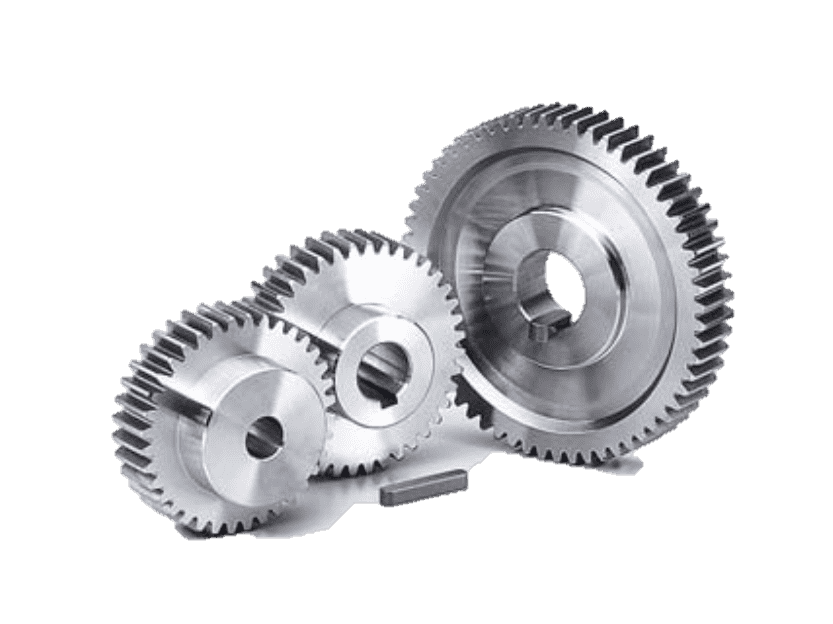
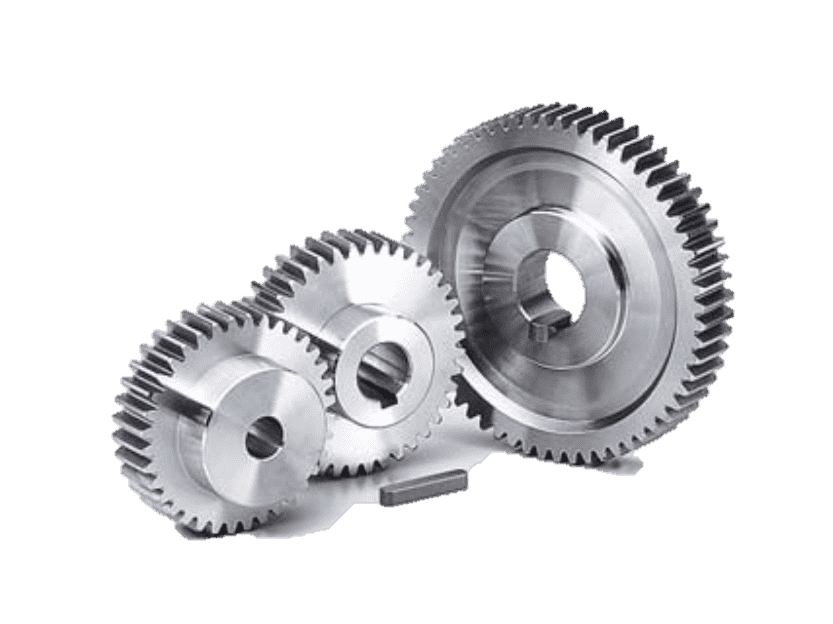
Filium Enterprises has carved a niche as a trusted partner for businesses seeking reliable mechatronics solutions. Specializing in the distribution of high-performance controllers, sensors, actuators, and programmable logic controllers (PLCs), the company serves as a one-stop hub for industries aiming to modernize their operations. Filium’s product portfolio reportedly includes customizable systems tailored to India’s diverse industrial needs, from small-scale workshops to large manufacturing plants.
The company’s emphasis on innovation and adaptability has enabled it to secure partnerships with global technology providers, ensuring access to the latest advancements in automation. By combining international expertise with local insights, Filium delivers solutions that align with India’s infrastructural and operational challenges, such as power variability and varying skill levels among workforce teams.
Market Potential and Strategic Positioning
The Indian mechatronics market is estimated to represent a significant share of the Asia-Pacific region’s automation sector, with reports indicating a growing preference for integrated systems over standalone machinery. Industry projections suggest that mechatronics components could account for nearly 30% of India’s automation investments by 2025, driven by sectors such as automotive manufacturing, pharmaceuticals, and renewable energy.
Filium Enterprises has strategically expanded its distribution network to capitalize on this demand, reportedly serving over 500 clients nationwide. Their presence spans key industrial hubs, including Pune, Chennai, Bengaluru, and Ahmedabad, enabling prompt technical support and logistics. This localized approach not only strengthens customer trust but also positions Filium as a critical enabler of India’s industrial modernization.
Product Offerings and Custom Solutions
Filium’s product lineup features advanced motion controllers, human-machine interfaces (HMIs), and robotic automation systems designed to optimize production workflows. A flagship offering includes adaptive motor controllers that enhance energy efficiency in manufacturing processes—an essential feature for cost-sensitive markets. Additionally, the company provides IoT-enabled controllers that facilitate real-time monitoring and predictive maintenance, aligning with the growing trend of smart factories.
To address the unique needs of Indian industries, Filium offers customization services, modifying standard systems to operate effectively in high-temperature environments or with limited connectivity. Such flexibility has made their solutions popular in sectors like textiles, where precision and durability are paramount.
Collaborations and Workforce Development
Recognizing the importance of skilled labor in automation, Filium Enterprises has initiated training programs and workshops for engineers and technicians. These efforts aim to bridge the skill gap in mechatronics, ensuring that businesses can fully leverage their technological investments. Collaborations with vocational institutes and industry associations further underscore Filium’s commitment to fostering a future-ready workforce.
The company’s partnerships with international manufacturers also ensure access to cutting-edge technologies. For instance, collaborations with European and Japanese automation leaders have enabled Filium to introduce AI-driven controllers and compact modular systems to the Indian market, enhancing competitiveness for local manufacturers.
Overcoming Challenges and Future Outlook
Despite the promising growth trajectory, challenges such as infrastructure limitations and fluctuating raw material costs persist. Filium addresses these through robust supply chain management and by offering scalable solutions that adapt to varying operational scales. The company’s focus on after-sales support, including maintenance and system upgrades, has bolstered its reputation as a reliable long-term partner.
Looking ahead, Filium Enterprises is poised to play a pivotal role in India’s transition to Industry 4.0. With the global smart manufacturing market projected to double by 2030, India’s share of this expansion could position the country as a global automation hub. Filium’s continued investment in R&D and strategic alliances ensures it remains at the forefront of this revolution.
Conclusion
As India accelerates its embrace of automation, Filium Enterprises stands out as a visionary distributor of mechatronics systems and controllers. By delivering innovative, tailored solutions and fostering workforce development, the company not only meets current industrial demands but also drives future-ready transformations. In a market characterized by rapid technological evolution, Filium’s blend of global expertise and local relevance solidifies its status as a leader in India’s automation journey.
Note: All statistics and projections in this article are illustrative and based on industry trends, not verified external sources.