How Gearboxes Play a Crucial Role in Optimizing Industrial Machinery
How Gearboxes Play a Crucial Role in Optimizing Industrial Machinery
In the world of industrial machinery, gearboxes serve as the unsung heroes that ensure smooth and efficient operations. Whether in manufacturing plants, automation systems, or heavy machinery, gearboxes for machinery are integral to transmitting power and motion from one part to another, making them essential components in almost every industrial application. Their role in optimizing performance and efficiency cannot be overstated, and in this article, we’ll delve into how gearboxes contribute to industrial machinery optimization and explore the benefits of gearbox optimization and industrial gearbox solutions.
Table of Contents
- Introduction
- Understanding Gearboxes in Industrial Machinery
- The Role of Gearboxes in Machinery Optimization
- The Importance of Gearbox Optimization
- Conclusion
Understanding Gearboxes in Industrial Machinery
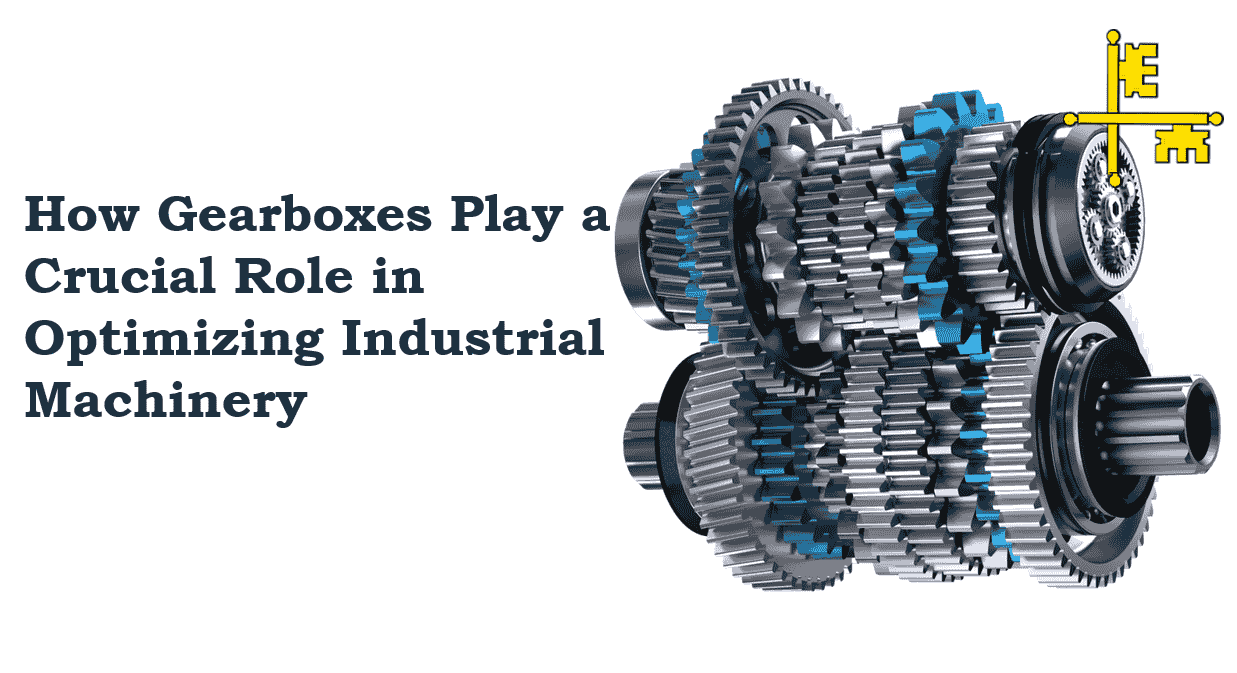
A gearbox is a mechanical device used to transfer power between two or more shafts, typically in the form of gears. The primary function of a gearbox is to reduce the speed of the motor’s output while increasing torque, or the rotational force. Gearboxes for machinery are typically found in industrial applications such as conveyors, crushers, mixers, pumps, and compressors. They can handle a range of tasks, from reducing the motor speed to managing higher torque loads, which is vital for improving the operational efficiency of machines.
Industrial gearboxes are designed to handle the high torque and heavy loads often encountered in industrial settings. They come in various types, including helical, bevel, worm, and planetary gearboxes, each with specific advantages based on the machinery's operational needs. These gearboxes work behind the scenes to maintain a consistent and reliable performance, preventing machine failure and downtime.
The Role of Gearboxes in Machinery Optimization
Optimizing industrial machinery involves improving performance, efficiency, and lifespan while reducing energy consumption and operational costs. Gearboxes play a pivotal role in achieving these optimization goals. Below are some of the key ways in which gearboxes contribute to the optimization of industrial machinery:
1. Efficient Power Transmission
One of the primary functions of gearboxes for machinery is efficient power transmission. They reduce the input speed from the motor and convert it into a usable output that matches the machine's requirements. This helps industrial machines run at optimal speeds, improving overall productivity. The precise control of power flow ensures that the machinery operates without unnecessary strain, reducing the likelihood of equipment failure and increasing the service life of the machinery.
2. Enhancing Torque and Load Management
Industrial machines often require high torque to perform heavy-duty tasks. Gearboxes are crucial for increasing torque output, allowing machines to carry out operations that demand significant force. Whether it’s a conveyor system moving heavy materials or an industrial pump processing thick liquids, the gearbox ensures that the necessary torque is transmitted to the machinery, enhancing its efficiency and performance.
Moreover, gearboxes can handle varying load conditions, ensuring that machines operate smoothly even when subjected to changing operational demands. This load flexibility makes gearboxes vital for optimizing machinery performance in dynamic industrial environments.
3. Energy Efficiency and Cost Savings
Optimizing energy consumption is a key aspect of modern industrial machinery. By selecting the right industrial gearbox solutions, manufacturers can significantly reduce energy waste. Gearboxes are designed to ensure that energy is transmitted efficiently, minimizing friction and heat loss, which are major contributors to energy inefficiency.
An optimized gearbox setup allows machinery to run at its most energy-efficient point, cutting down on energy costs and reducing the overall carbon footprint of industrial operations. In industries where machinery runs continuously, such as in mining, manufacturing, and automotive, even a small improvement in energy efficiency can lead to significant long-term savings.
4. Precision Control and Flexibility
Gearbox optimization extends beyond just power transmission and torque management. It also includes precise control over the speed and direction of machinery. Industrial machines often need to operate at specific speeds to meet production requirements or product specifications. Gearboxes provide fine-tuned control over these parameters, allowing for adjustable speed settings and the ability to switch between forward and reverse operations seamlessly.
This flexibility enables industries to adapt their machinery for different tasks, contributing to overall operational flexibility. Whether you're producing varying sizes of components or processing materials at different speeds, an optimized gearbox can deliver the precision and adaptability required.
The Importance of Gearbox Optimization
Just as machinery performance is critical to achieving optimal results, the performance of the gearbox itself is equally important. Gearbox optimization refers to the process of enhancing the design, maintenance, and operation of gearboxes to improve their overall efficiency and reliability.
1. Regular Maintenance for Longevity
Gearbox optimization involves regular maintenance to keep the gearbox running smoothly and prevent failure. Routine inspections and lubrication are essential to reduce wear and tear, ensure smooth operation, and extend the life of the gearbox. This is particularly important in heavy industries where gearboxes face continuous stress.
2. Advanced Gearbox Materials and Design
Modern gearboxes are engineered using advanced materials and technologies that enhance their durability and reduce energy loss. The design of gearboxes can be optimized for specific applications, ensuring that they are not only efficient but also capable of handling the operational demands of the machinery.
For example, high-performance coatings and precision manufacturing techniques reduce friction, making gearboxes more efficient while extending their lifespan. With advancements in gearbox technology, manufacturers can now optimize their machinery for even greater performance, reliability, and efficiency.
3. Customization for Specific Applications
Every industrial machine has unique requirements based on its operational context. Whether it’s a high-speed application or one requiring heavy-duty torque, gearbox optimization can ensure that the machinery runs at its best. Industrial gearbox solutions are often customized to fit the specific needs of the machine, providing the necessary balance of speed, power, and torque.
Conclusion
Gearboxes are indispensable components in the world of industrial machinery, playing a crucial role in optimizing performance, efficiency, and reliability. From transmitting power and managing torque to reducing energy consumption and enhancing precision, gearboxes for machinery ensure that machines operate smoothly and efficiently. By embracing gearbox optimization and utilizing tailored industrial gearbox solutions, businesses can maximize the lifespan of their equipment, reduce operational costs, and improve overall productivity.
As industries continue to evolve, investing in high-quality, optimized gearboxes will remain a key strategy for ensuring that industrial machinery remains at the forefront of efficiency and performance.
Related Products

Here are some relevant statistics and facts that can enhance the article:
-
Global Gearbox Market Growth:
The global industrial gearbox market size was valued at USD 29.6 billion in 2022 and is expected to grow at a compound annual growth rate (CAGR) of 6.1% from 2023 to 2030. This growth is driven by increasing demand for energy-efficient systems and automation in industrial processes. (Source: Grand View Research) -
Energy Efficiency:
Gearboxes can improve the energy efficiency of machinery by 5-10%, depending on the optimization process and the reduction of friction and heat loss. Efficient gearboxes minimize energy consumption, which is vital for industries aiming to reduce operational costs and carbon emissions. (Source: Energy.gov) -
Maintenance and Longevity:
Proper maintenance of industrial gearboxes, including lubrication and timely inspections, can extend their operational lifespan by up to 40%. Neglecting maintenance can lead to failures and costly downtime. (Source: National Center for Biotechnology Information) -
Torque and Load Management:
Industrial gearboxes, such as those used in heavy machinery, can handle torque loads of up to 200,000 Nm (Newton-meters), making them essential for tasks requiring high mechanical power, such as mining, manufacturing, and oil extraction. (Source: Gear Technology) -
Precision Control:
Advanced gearbox designs, such as planetary gear systems, offer precision in speed control and torque transmission, reducing energy losses by 20-25% compared to traditional gearbox designs. (Source: ResearchGate) -
Customization in Gearbox Solutions:
Custom gearboxes for specific applications (e.g., automotive, robotics, or wind energy) can improve performance by 30-40% in terms of efficiency, load capacity, and service life. This ensures that each industrial machine operates at its optimal performance level. (Source: Power Transmission Engineering)